



By Ololade Hector
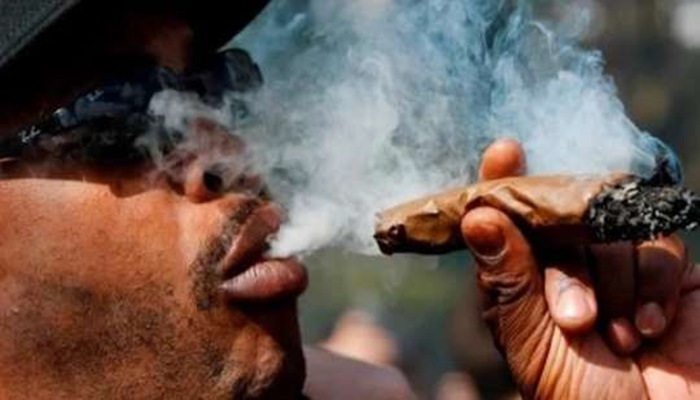
Cannabis, commonly called “weed”, “igbo”, or “marijuana”, is becoming alarmingly common among secondary school and university students in Nigeria, and parents are totally ignorant. What used to be hidden is now normalized in music, skits, and peer groups. Parents can’t afford to ignore it.
Now, Cannabis use among young adults aged 18-30 is worse and rising fast. For many, it starts as “just weekends” in university or during NYSC, then quietly becomes a daily dependence. Unlike teens, young adults have legal freedom, income, and privacy. That makes the conversation harder, but more urgent.
WHY ARE YOUNG ADULTS SMOKING WEED?
Peer Pressure & “Belonging” is the biggest driver. Many teens and youth start just to fit in to avoid being called such names like “egbe” (boring/unexposed) or “Jew” or “Holy Mary”.
They also justify it by pointing to others: “Lots of people take it and look okay. I know someone who’s used it for years without issues.”
That’s selective thinking. Bodies differ, and so do outcomes. Addiction happens. So do short- and long-term health damage, psychosis, financial loss, and a shredded reputation.
Other reasons include:
- Stress & Adulting Pressure: Job hunting, underemployment, bills, and “what am I doing with my life?” anxiety. Weed becomes a quick escape.
- Social Normalization: It’s in Afrobeats lyrics, Netflix shows, and tech/bro culture. “Everyone does it” becomes the excuse.
- Self-Medication: For undiagnosed anxiety, depression, ADHD, or trauma. They use weed to sleep, focus, or stop overthinking.
- Misconceptions About Safety: The “it’s just a plant” myth. Many don’t know today’s THC levels are 3x stronger than 10 years ago.
- Accessibility & Privacy: No school uniform to check. They can order edibles, vapes, or “cookies” online and use in their flat without parents knowing.
SIGNS YOUR YOUNG ADULT CHILD MIGHT BE USING OR DEPENDENT
Lifestyle: Job loss or frequent job changes, missing family events, money always “finishing” with nothing to show, sudden drop in hygiene or drive.
Behavioural: Withdrawing from family, irritability when not high, defensiveness about drug talk, only socializing with other users, drop in ambition.
Physical/Mental: Red eyes, chronic cough, the smell, memory lapses, lack of motivation or “amotivational syndrome”, paranoia, worsening anxiety when sober.
Evidence: watch out for that unique smell (pungent, woody, pleasant aroma, often lemon-grassy, citrusy, piney, incense-lemony, earthy or skunky- there are variants), bloodshot eyes, glassy eyes, and the Grinders, vape pens, rolling papers, edibles packaging, constant use of incense/air freshener/ heavy perfume, unexplained debts.
HOW A PARENT CAN HELP AN ADULT CHILD
- Respect Their Adulthood, Keep Your Influence: You can’t ground a 24-year-old. But you can set boundaries: “You’re an adult and I love you. Weed isn’t allowed in my house/car. If you need help quitting, I’m 100% in.”
- Talk Like an Adult, not a Warden: Drop the lectures. Try: “I’ve noticed you seem really stressed lately. I read that a lot of young people use weed to cope. Is that true for you? I’m worried about your future and I want to help.”
Mention the effects of marijuana. These effects may last a long time or even be permanent. Tell them “Smoking any product, including marijuana, can damage your lungs, increase your risk of bronchitis and scar small blood vessels. Smoking marijuana can also increase your risk of psychosis, stroke, heart disease and other vascular diseases.”
- Focus on Function, Not Morals: Don’t argue “weed is evil”. Argue “weed is costing you or will cost you”. Connect it to their goals: jobs, relationships, mental clarity, money. Ask: “Is this getting you closer to the life you want?” You have to present this calmly so they don’t tune you out. You may send them videos of repentant drug users who are now clean sharing their ugly experiences too.
- Encourage Professional Help: Addiction is medical. A therapist or psychiatrist can address the anxiety/depression underneath. Suggest: “Let’s just talk to a doctor to check what’s really going on. I’ll go with you if you want.”
- Stop Enabling, Start Supporting Recovery: Don’t pay debts caused by drug use. Don’t lie to cover for them. Do offer to pay for therapy, rehab, or a skill course. Help has conditions; love doesn’t.
- Address Your Own Role: Did family trauma, pressure, or conflict push them toward escape? Family therapy helps. You can’t control them, but you can change the home environment.
- Prepare for Resistance: They may say “I’m fine” or “It’s not addictive”. Stay calm. Plant seeds. Say: “I’m here when you’re ready. I believe you can beat this.” Then back off and pray. Nagging builds walls.
- Protect Your Peace Too: You can love them without drowning with them. Join a support group like Nar-Anon or talk to a counsellor yourself. You need strength to help them.
Final Word
Young adults use weed because they want to belong, life feels hard and the drug feels easy. But long-term use kills motivation, harms lungs, triggers psychosis in some, and stalls growth. They don’t need your judgment. They need your wisdom, boundaries, and steady love.
Help is not forcing them to stop. They can’t be forced. Help is making it easier to choose sobriety than addiction. Help is taking to them about it before that one puff.
If you need counselling / Rehabilitation for your child? Seek Professional Help Early from any of these organisations:
- Mentally Aware Nigeria Initiative:
- CADAM Epe
- House of Refuge Lekki
- NDLEA 24/7 helpline: 0800-1020-3040.
- Lagos State also has free counselling at LASUTH and Federal Neuro-Psychiatric Hospital Yaba.
- Others on Google
They may be adults, but they’re still your child(ren). Don’t give up on them. Let’s fight for them before the weed wins.
Note: BE VIGILANT Both male and female are on this ugly trend; it cuts across all demographics; and it’s not necessarily about bad friends influencing them as we usually believe. Sometimes it’s from within the nuclear and extended family.
Ololade Hector is the Founder of O5 CENTRE FOR CHILDREN