



Every girl deserves the opportunity to learn, lead, innovate and contribute meaningfully to society. Yet, for millions of girls, the journey from childhood aspiration to leadership remains obstructed by social barriers, unequal opportunities, economic hardship and institutional limitations. As the world marks the International Day of the Girl Child on October 11, the occasion calls for more than expressions of solidarity; it demands a renewed commitment to creating a society where every girl can discover her potential, develop her capabilities and pursue her ambitions without discrimination. For Nigeria, this requires deliberate legislative action, accountable governance and sustained investment in the future of the girl child.
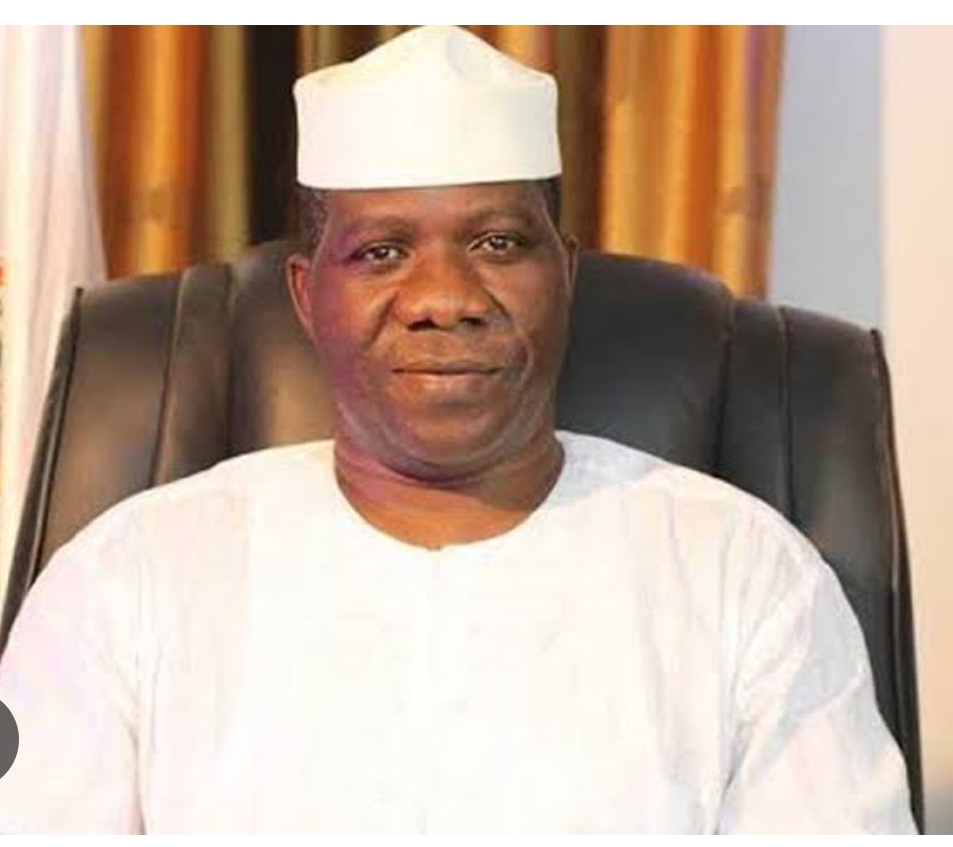
These considerations resonate with the position articulated by the Leader of the Senate, Senator Michael Opeyemi Bamidele, CON, at the presentation of The Female Diplomat: Navigating Power, Ambition and Identity, authored by Oluwakemi T. Amuda, at Nigeria House in New York, United States. Addressing distinguished diplomats, government officials and international leaders, Bamidele declared: “No nation can realise its full potential if a significant proportion of its population is unable to contribute fully to governance, diplomacy, economic development and public leadership.” Although his remarks addressed gender inclusion in the broader context of national development, their implications begin with the girl child, who must first receive the education, confidence, protection and opportunities necessary to become the leader she is capable of becoming.
One of the most compelling aspects of Bamidele’s position is his rejection of the notion that opening leadership opportunities to women constitutes an act of benevolence. “Gender inclusion is not an act of favour. It is a strategic investment in Nigeria’s human capital and institutional strength,” he stated. This principle provides an important framework for understanding what girls need from government and society. Access to quality education, digital skills, science and technology, entrepreneurship and leadership development must be supported by effective institutions and policies. A girl who receives quality education today could become a doctor, engineer, diplomat, legislator, researcher or policymaker tomorrow. Nigeria must therefore remove the barriers that prevent girls from acquiring the knowledge, skills and confidence required to participate fully in society.
As Leader of the Senate, Bamidele occupies a strategic position within an institution whose constitutional responsibilities include lawmaking, representation and oversight. At the book presentation, he affirmed that the National Assembly would continue to promote institutions that are fair, accessible and responsive through these functions. For the girl child, this should translate into sustained legislative attention to access to education, protection from violence and exploitation, digital inclusion and equal opportunities. Child marriage, sexual abuse, trafficking and other forms of exploitation can deprive girls of their childhood and prospects for independent living. Laws designed to protect children must be effectively implemented, while public investment must support safe schools, affordable education and opportunities for girls to participate in civic life, research and emerging sectors of the economy.
In Ekiti Central Senatorial District, which he represents at the National Assembly, Bamidele’s educational interventions offer a practical dimension to his broader position on inclusion. A notable example is the comprehensive renovation of Government Science College, Iyin-Ekiti, undertaken at a reported cost of more than ₦200 million. Inaugurated in October 2026, the project covered classroom and administrative blocks, boys’ and girls’ hostels, the dining hall and kitchen, alongside the donation of a new school bus. The renovation of the girls’ hostel is particularly significant because a safe and functional learning environment supports girls’ welfare, dignity and educational progress, especially for those living away from home to pursue their studies. Plans for a second phase, including modern science laboratories and a library, further underscore the importance of preparing young people for careers in science, technology and other fields essential to national development.
Beyond school infrastructure, the development of higher educational opportunities in Ekiti Central, including the Federal University of Technology and Environmental Sciences, Iyin-Ekiti, highlights the importance of expanding access to specialised knowledge, research and innovation. Bamidele has been associated with efforts to facilitate the institution’s establishment and support its take-off. For girls, the long-term value of such investments will depend on their ability to access higher education, participate in research, acquire digital skills and receive the mentorship and student support needed to pursue their ambitions. These opportunities can help prepare a new generation of female scientists, innovators, entrepreneurs and public leaders. Such constituency interventions complement the broader argument Bamidele advanced in New York: Nigeria cannot afford to waste the talents of any segment of its population.
Bamidele also made an important distinction between the presence of women in institutions and their meaningful participation in decision-making. “Meaningful inclusion goes beyond the presence of women in institutions. It requires genuine opportunities to participate in decision-making, exercise responsibility and contribute to the formulation and implementation of public policy,” he observed. This distinction is critical to the development of the girl child. Empowerment cannot be measured solely by school enrolment figures or the number of women appointed to leadership positions; it must also be measured by the quality of opportunities available to them and their ability to influence decisions. This is one of the broader lessons of Amuda’s The Female Diplomat: Navigating Power, Ambition and Identity, which provides an opportunity to reflect on how women enter influential spaces, navigate institutional expectations and exercise leadership. Representation, when accompanied by genuine opportunity and mentorship, can transform aspiration into achievement.
Bamidele further emphasised that advancing gender inclusion is not the responsibility of government alone. “This is not a responsibility for the government alone. Political institutions, the diplomatic service, the private sector, academic institutions and civil society all have roles to play,” he said. Parents and guardians must encourage girls to pursue education and develop their talents; schools must provide safe learning environments; the private sector should invest in digital skills, mentorship and entrepreneurship; and civil society must support vulnerable girls and hold institutions accountable. The media also has a responsibility to celebrate female achievement, amplify girls’ voices and examine the structural challenges that restrict opportunities. As Bamidele noted, President Bola Ahmed Tinubu’s Renewed Hope Agenda recognises the importance of drawing on the abilities and contributions of all citizens, including women and young people. Translating that aspiration into lasting progress requires coordinated policies and sustained commitment.
As Nigeria marks the International Day of the Girl Child, the country must confront the interconnected challenges of insecurity, poverty, digital exclusion, discrimination and gender-based violence that can interrupt girls’ development. For the National Assembly, the responsibility is to strengthen the legal and institutional environment in which every girl can develop her potential. For political leaders, it is to demonstrate through their decisions that inclusion is a development priority. For society, it is to ensure that no girl is made to believe that her gender should determine the limits of her future. Bamidele’s declaration in New York offers a fitting point of reflection: a nation’s strength is inseparable from the opportunities it creates for all its people. The girl who is protected today may become the diplomat who represents Nigeria tomorrow; the girl who receives quality education may become the legislator who shapes the country’s laws.
Ultimately, empowering girls is not a concession to one segment of the population; it is an investment in national development, democratic inclusion and Nigeria’s long-term prosperity. The true measure of commitment will not be the number of speeches delivered in honour of girls, but the number of barriers removed, opportunities created and futures transformed. On this International Day of the Girl Child, Nigeria must reaffirm its determination to build a society where every girl can learn, lead and contribute to the nation’s progress. Every girl deserves that chance, and Nigeria’s future depends, in no small measure, on whether we give it to her.
Tolu Meduna, Strategic Communications Lead, Media and Public Affairs Directorate, Office of the Leader of the Senate.