


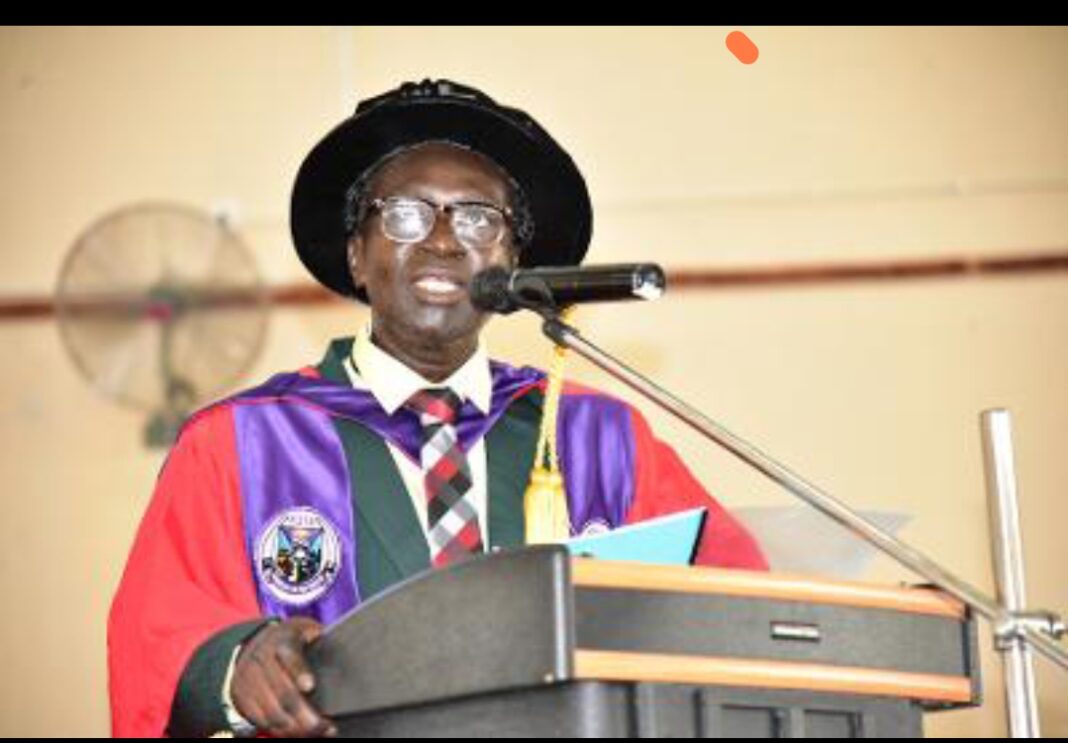

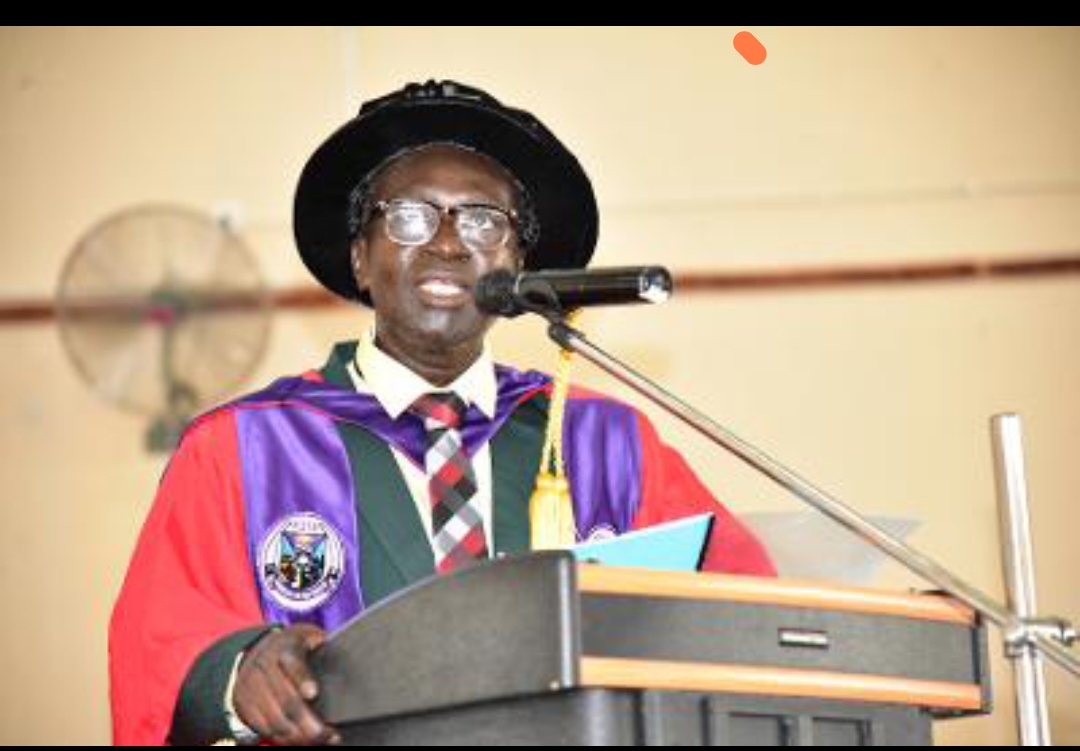
A Professor of Applied Soil and Environmental Microbiology at the Federal University of Technology, Akure (FUTA), Fatuyi Olanipekun Ekundayo, has highlighted the remarkable role of naturally occurring microorganisms in addressing environmental pollution and promoting sustainable development
Delivering the University’s 200th Inaugural Lecture titled “Productivity of Unseen Allies in Conducive and Unconducive Environments: A Great Wonder!” on Tuesday June 9,2026, Professor Ekundayo emphasized the enormous potential of indigenous bacteria and fungi in restoring crude-oil-polluted environments through bioremediation.
According to Ekundayo , crude oil contamination remains one of the most serious environmental challenges in Nigeria, particularly in oil-producing communities. He explained that indigenous bacteria and fungi found in contaminated soils possess unique metabolic capabilities that enable them to utilize hydrocarbons as sources of carbon and energy, thereby naturally degrading petroleum pollutants and restoring ecological balance.
Drawing on extensive research conducted in Rivers State and other locations, Professor Ekundayo identified hydrocarbon-degrading bacterial genera such as Pseudomonas, Bacillus, Arthrobacter, Lactobacillus, and Micrococcus, as well as fungal genera including Aspergillus, Penicillium, Fusarium, and Rhizopus. He noted that these microorganisms demonstrated significant biodegradation efficiency, leading to substantial reductions in petroleum hydrocarbon concentrations in contaminated soils.
The inaugural lecturer further explained that microorganisms play indispensable roles in environmental sustainability through biodegradation and bioremediation processes. Beyond pollution control, he noted that microbes contribute to agricultural productivity through the production of biofertilizers, biopesticides, and biological control agents, while also serving as the source of more than 70 percent of naturally derived antibiotics used globally.
Professor Ekundayo disclosed that bacterial and fungal species isolated from automobile workshop soils, market wastewater, and aquatic environments in Akure were found to effectively degrade diesel, petrol, kerosene, and spent engine oil. These findings, he said, demonstrate the viability of indigenous microbial populations as cost-effective, environmentally friendly alternatives to conventional remediation technologies.
He stressed that bioremediation offers a sustainable and eco-friendly approach to environmental restoration by harnessing naturally occurring microorganisms without introducing additional ecological risks. He added that microbial remediation efficiency can be enhanced through adequate nutrient supply, moisture availability, and proper aeration.
Professor Ekundayo also highlighted emerging applications of microbial biotechnology, particularly the use of biologically synthesized silver nanoparticles produced by bacteria and fungi for environmental cleanup, noting that such innovations are expanding the frontiers of pollution management.
Sounding a note of warning the lecturer said that Nigerians should be aware that, “The cowpea farmer overapplying Benomyl destroys the nitrogen-fixing bacteria feeding his family. The hospital personnel discharging untreated effluent exports drug-resistant bacteria to neighbours. The child playing on the open dump site is exposed to Klebsiella pneumoniae resisting 70% of available antibiotics.” He said Microbiology is able to note all this because it is the science of the invisible.
He concluded that indigenous bacteria and fungi remain invaluable environmental allies capable of transforming contaminated ecosystems into productive landscapes. Consequently, he called for increased investment in microbial biotechnology research and the incorporation of bioremediation strategies into national environmental management policies.
In her remarks, the Vice Chancellor of FUTA, Professor Adenike Oladiji, represented by the Deputy Vice Chancellor (Academic), Professor Timothy Amos, described the lecture as a reflection of the University’s commitment to cutting-edge research and sustainable solutions to environmental challenges. She noted that FUTA’s continuous investment in research and innovation has strengthened its position as a leading institution addressing national and global development concerns through science and technology.
The Vice Chancellor also commended Professor Ekundayo for his outstanding contributions to microbiology and environmental biotechnology over the years. She observed that the lecture not only enriches academic scholarship but also provides practical solutions for restoring polluted environments, advancing sustainable development, and improving the quality of life of communities affected by environmental degradation.