


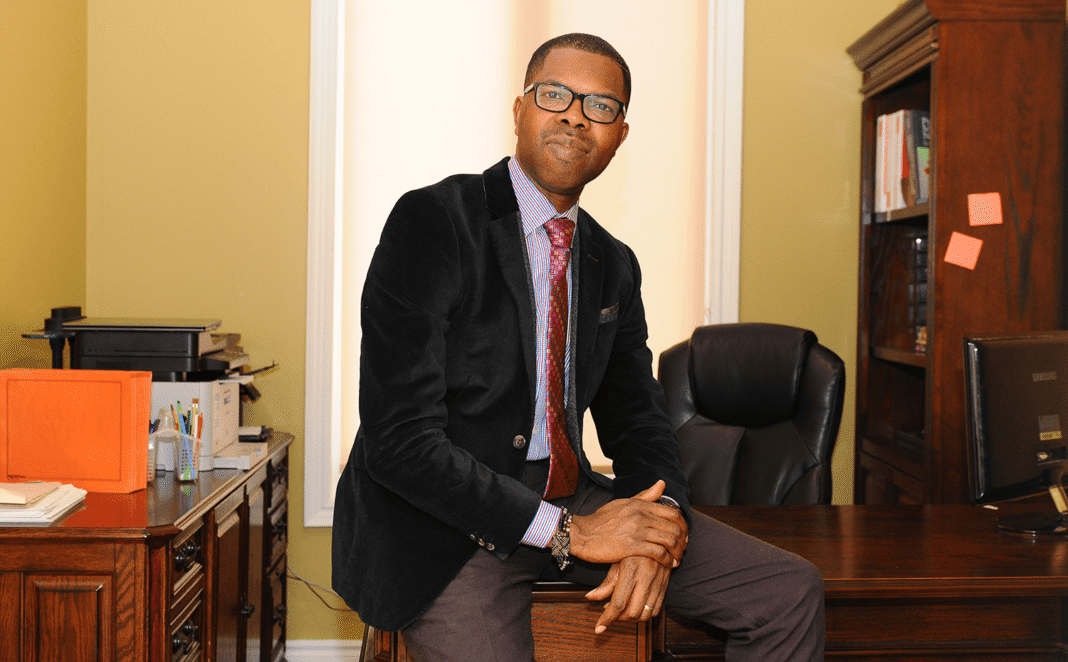

By Johnson Babalola
I recently attended a Black History Month event hosted by a local Chamber of Commerce. The keynote speaker shared her journey to success—the highs, the lows, the detours, and the breakthroughs. Her story was inspiring, but one lesson struck a particularly deep chord with me.
She spoke about the role her parents played in her success: they gave her permission to dream, offered guidance along the way, and most importantly, created the space for her to pursue those dreams.
There are different kinds of dreams. There are sleep dreams—the subconscious experiences that come to us at night. Then there are life dreams—the aspirations, ambitions, goals, and visions that shape the future we hope to build.
The speaker was not talking about sleep dreams—whether pleasant, romantic, or frightening. She was speaking about life dreams and the powerful impact of positive nurturing.
As a young girl, she set her heart on a career that was outside the traditional paths of medicine, law, accounting, engineering, teaching, or architecture. While still in elementary school, she shared her dream with her parents. Instead of dismissing it, they listened. They asked questions. They began to guide her.
They created time for her. They gave her space to explore. They allowed her to practice, research, speak, and learn. They reassured her that she was free to change her mind at any time. In doing so, they did something profound—they took her dream seriously.
As I listened, I could not help but reflect on the many children whose dreams are never given that kind of attention or support.
To the parents and guardians who are deliberate about nurturing their children’s dreams—who listen, encourage, and create space—I say well done. Your investment goes far beyond the present; it shapes confidence, resilience, and possibility for the future.
Yet the reality for many young people around the world is very different. For some, their dreams are basic: safety, food, freedom, education, love, and stability. Many face obstacles that make even these simple dreams difficult to attain.
Others dream of success, innovation, leadership, or creativity—but lack mentorship, opportunity, or a safe environment. Some have their dreams discouraged or silenced by the very people around them through neglect, harsh criticism, unrealistic expectations, or lack of understanding. Still others are limited by poverty, insecurity, or the consequences of weak and ineffective systems.
My thoughts naturally drifted to my work as an immigration lawyer. I have seen many first-generation immigrants and refugees who are focused on survival. They carry trauma, work multiple low-paying jobs, navigate unfamiliar systems, manage health challenges, and struggle to rebuild their lives.
In the midst of these pressures, it is easy to overlook a quiet but important reality: their children are dreaming.
Many of these young people are left to navigate their aspirations on their own, creating space for their dreams without guidance or support. When that gap exists, there is always the risk that others—with negative influences or harmful intentions—may step in and redirect those dreams down the wrong path.
And yet, there is hope.
Some young people, despite enormous challenges, remain focused. They find mentors. They seize opportunities. They stay resilient. They rise.
Their stories remind us of a powerful truth: while resilience is admirable, support makes the journey lighter and the destination more attainable.
Dreams grow best where there is permission to imagine, guidance to navigate, and space to explore.
This is why early mentorship matters.
A listening parent.
An encouraging teacher.
A patient coach.
A caring community member.
A mentor who simply says, “I see you. I believe in you. Let’s work on this together.”
These small acts can change the trajectory of a life.
As families, professionals, community leaders, and members of society, we all have a role to play. We may not be able to remove every obstacle, but we can create environments where young people feel seen, heard, and supported.
Let us be intentional about noticing the dreams around us.
Let us create time, offer guidance, and make space.
Let us mentor early, encourage often, and believe generously.
Because when a child’s dream is nurtured early, it does more than shape one future—it strengthens families, builds communities, and transforms society.
And sometimes, all it takes to change a life is three simple gifts:
Permission. Guidance. Space.
*Johnson Babalola is a Toronto, Canada based lawyer
@jbdlaw
@jblawpro
@jbandthings
@jblifecompass