



By Tolu Meduna
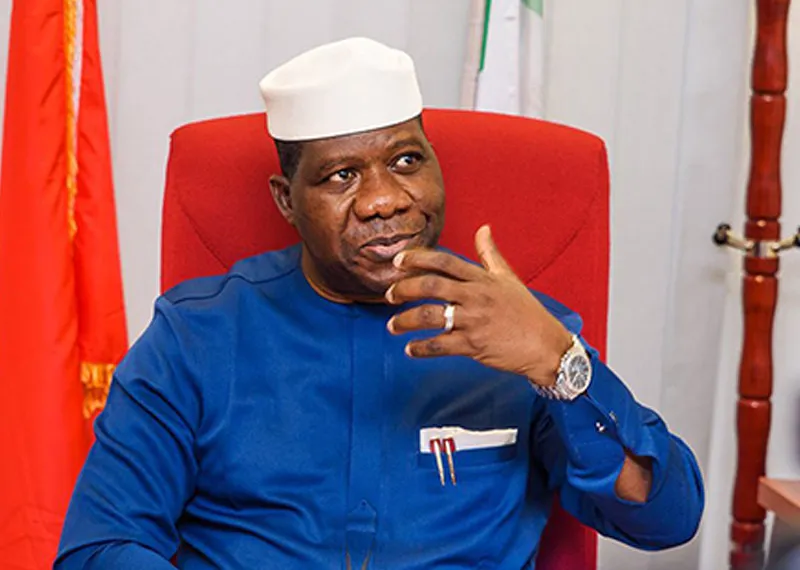
As Muslims across Nigeria marked Eid al-Fitr on Thursday, the message from Opeyemi Bamidele, Leader of the Senate and Chairman of the Ad-hoc Committee on National Security Summit, struck a necessary and timely chord: the war against terrorism cannot be won by bullets alone. His position reflects a growing consensus that while military force remains essential, it is insufficient in addressing the deeper roots of insecurity.
Recent tragic incidents, including bomb explosions in Maiduguri, serve as stark reminders that despite years of kinetic operations, the threat of violent extremism persists. Nigeria’s security forces have shown resilience and courage, but the recurrence of such attacks underscores the limitations of a strategy that leans too heavily on force without equal investment in prevention.
The argument is not to diminish the role of the military; rather, it is to broaden the lens through which we define national security. Terrorism thrives in environments where poverty, illiteracy, unemployment, and social exclusion are prevalent. Without addressing these underlying conditions, military victories risk becoming temporary, as new recruits are drawn into cycles of violence.
This is where human capital development becomes not just a policy option but a national imperative. Education, healthcare, and economic opportunity are powerful tools of stabilisation. When young people are educated, gainfully employed, and feel a sense of belonging within the state, the appeal of extremist ideologies diminishes significantly.
Religious and socio-cultural leaders also have a critical role to play. In a country as diverse as Nigeria, messages of tolerance, coexistence, and unity must be amplified consistently. Leaders at this level are often the closest to the people and wield significant influence in shaping perceptions and behaviours. Their commitment to peacebuilding can either fuel division or foster national cohesion.
Equally important is the role of subnational governments. As Senator Bamidele rightly pointed out, countering violent extremism is not solely the responsibility of the federal government. States must take ownership by investing in grassroots development—strengthening basic education systems, improving healthcare access, and building local economies that provide hope and dignity.
Encouragingly, the National Assembly is already signaling a shift in this direction. The establishment of the Ad-hoc Committee on National Security Summit and the ongoing constitutional review process indicate a willingness to rethink Nigeria’s security architecture. Expanding the powers of states to manage security challenges within their territories could mark a turning point if implemented effectively.
Ultimately, the fight against terrorism is as much about people as it is about power. Nigeria must move beyond reactive measures and embrace a proactive, holistic strategy, one that secures not just its borders, but its future.
Tolu Meduna is a Strategic Integrated Communications Consult. Specialised in Public Policy Communications.